Live: ---
Rail: ---

{{ weatherTemp }}°C
{{ weatherCity }}

AB Direct - Steers
AB Direct - Heifers
Live: ---
Rail: ---
Rail: ---
US Trade- Steers
Live: 218.00 (NE)
Rail: 340.00 (NE)
Rail: 340.00 (NE)
US Trade - Heifers
Live: 218.00 (NE)
Rail: 340.00 (NE)
Rail: 340.00 (NE)
Canadian Dollar
$71.80
0.26
0.26
Business Tools


Featured
-
Register for ABP's AGM & Convention
Join us for ABP’s Annual General Meeting and Convention, where cattle producers and industry representatives come together to review the past year’s activities, discuss key issues affecting the industry, and help shape priorities for the year ahead.
Register through Eventbrite -
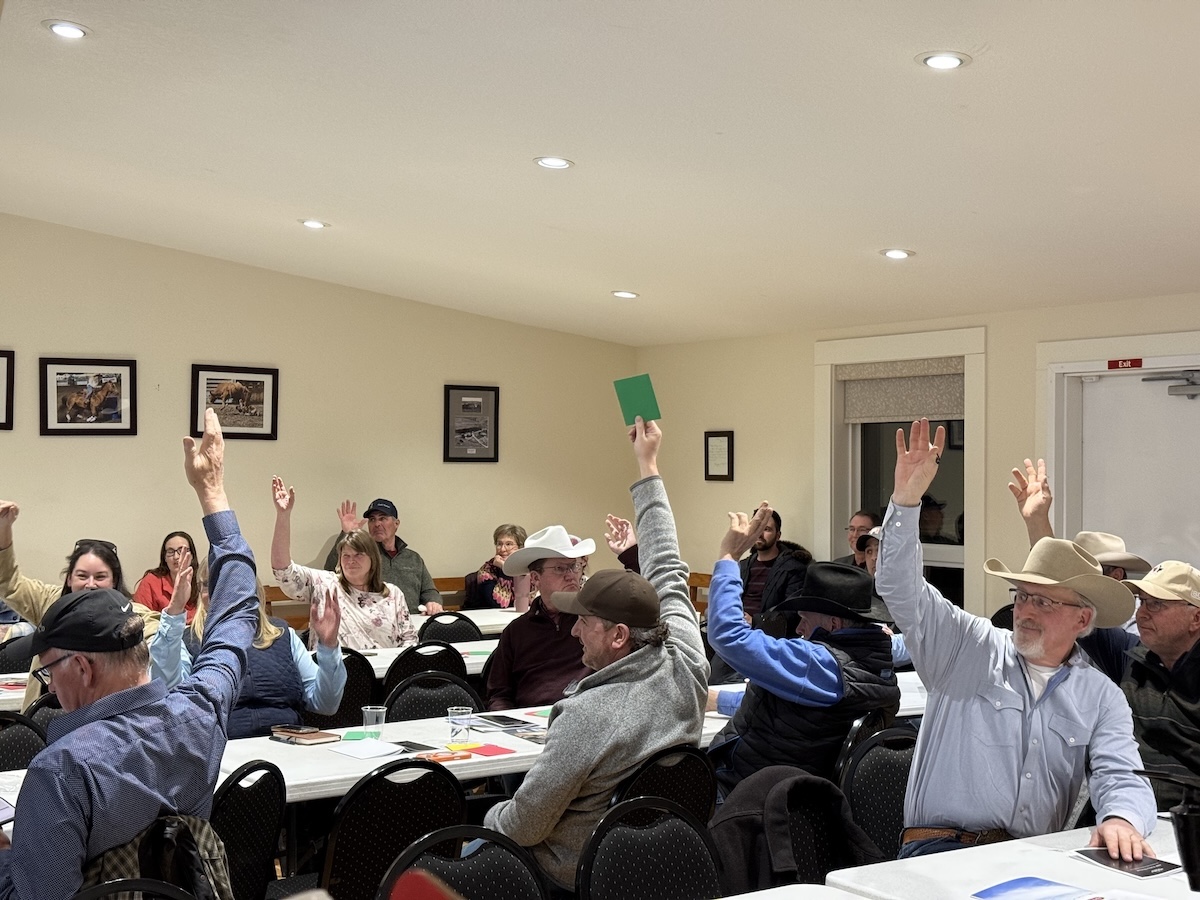
Your Thoughts and Ideas on Producer Meetings
We are eager to hear your feedback to help us plan, refine, and continually improve. If you attended a Producer Meeting, please take a moment to provide your thoughts and ideas through our quick survey.
Share Your Ideas
November 3, 2026
Business Tools
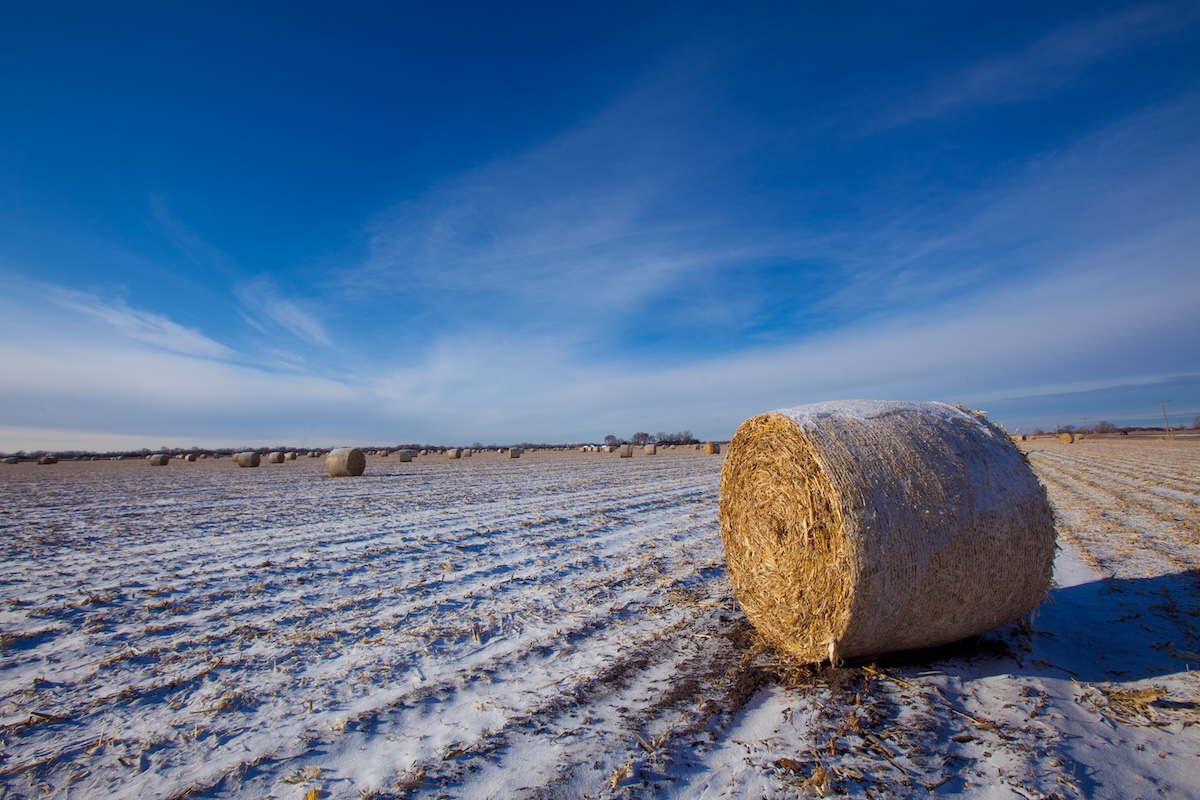
Winter bale grazing can help build next year’s pasture
On the Lazy M Bar Ranch near Byemoor, Brad Mappin isn’t just deciding where to feed cattle this winter. He’s choosing where he wants grass to grow stronger next year. By placing bales on rougher, less productive areas of fields, Mappin turns winter feeding into an opportunity to put nutrients back into the soil. It…
October 30, 2026
Business Tools
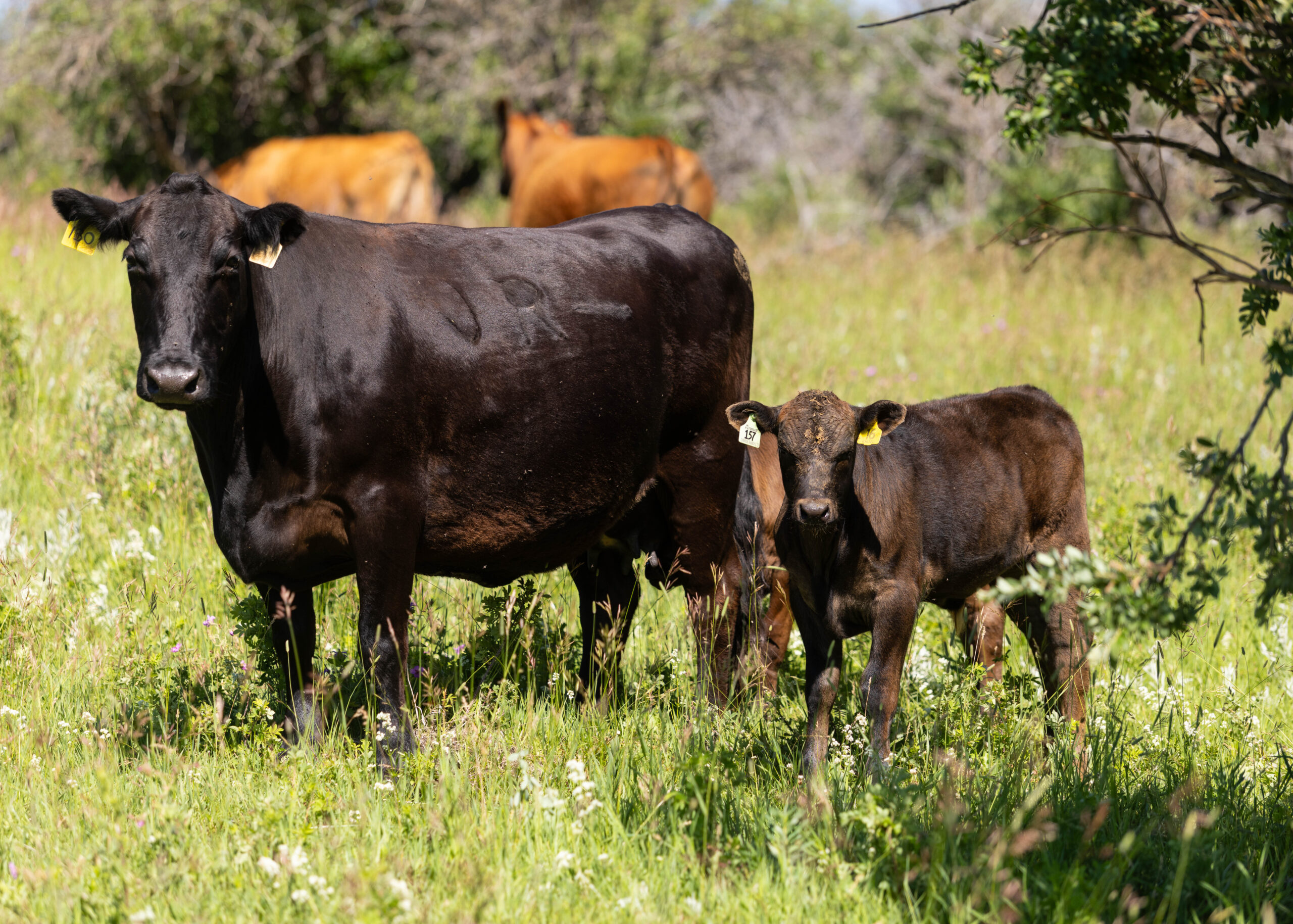
Finding the right balance between productivity and profitability
A cow-calf operation can produce more pounds of beef without becoming more profitable. That may seem counterintuitive, but productivity and profitability are not the same thing. Increasing weaning weights, improving reproductive performance or reducing calf losses can all add revenue, but they may also require additional feed, labour, breeding, health or capital investment. The question…

October 28, 2026
Business Tools
Alberta launches $60-million challenge for agricultural innovation
New funding aims to bring promising technologies into practical use across Alberta’s agriculture, water and land sectors. Alberta is making up to $60 million available to advance technologies that improve agricultural productivity, conserve water and restore land to productive use. The new Agriculture, Water and Land Challenge, delivered through Emissions Reduction Alberta (ERA), will support…
October 26, 2026
Business Tools
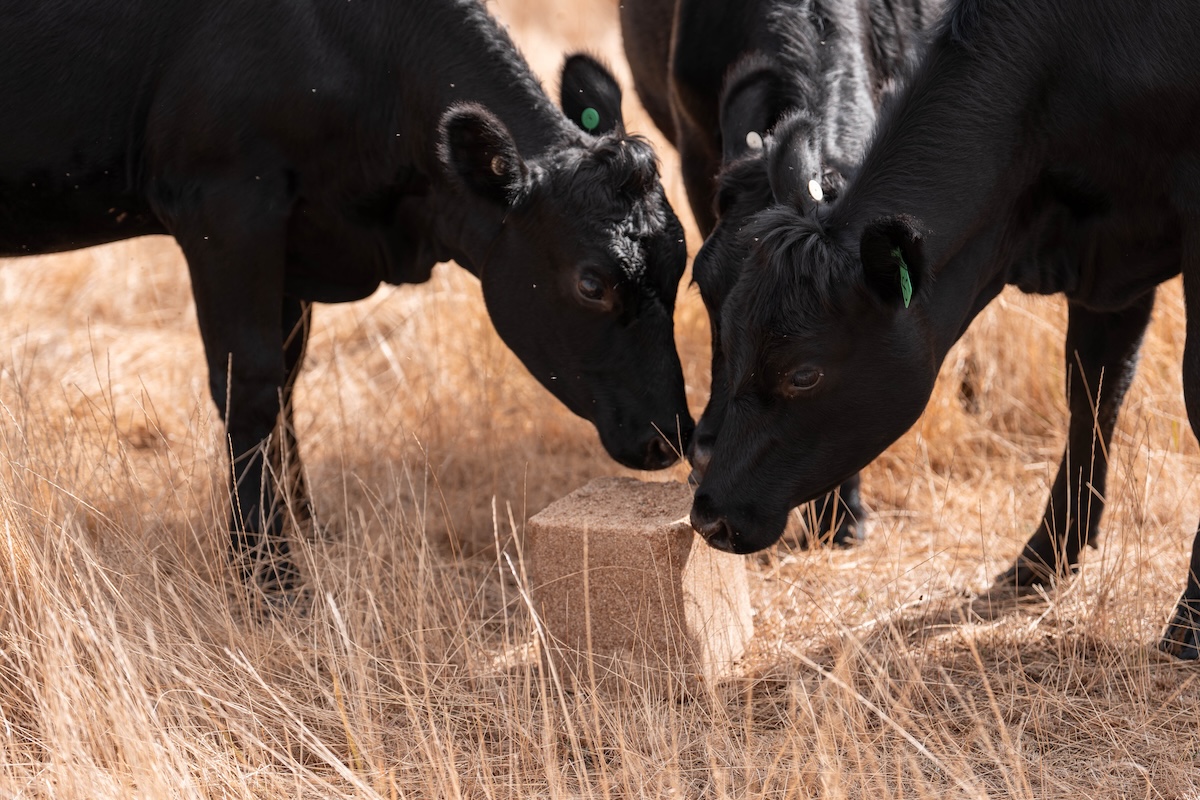
Five things to check on cattle mineral supplement labels
Not all mineral supplements are created equal. Two products may look similar, but differences in nutrient concentrations, recommended feeding rates and ingredients can affect how much nutrition cattle actually receive. A new resource from the Beef Cattle Research Council (BCRC) helps producers make sense of mineral supplement labels and compare products based on their herd’s…
October 17, 2026
Business Tools
Building a uniform cow herd through intentional genetic selection
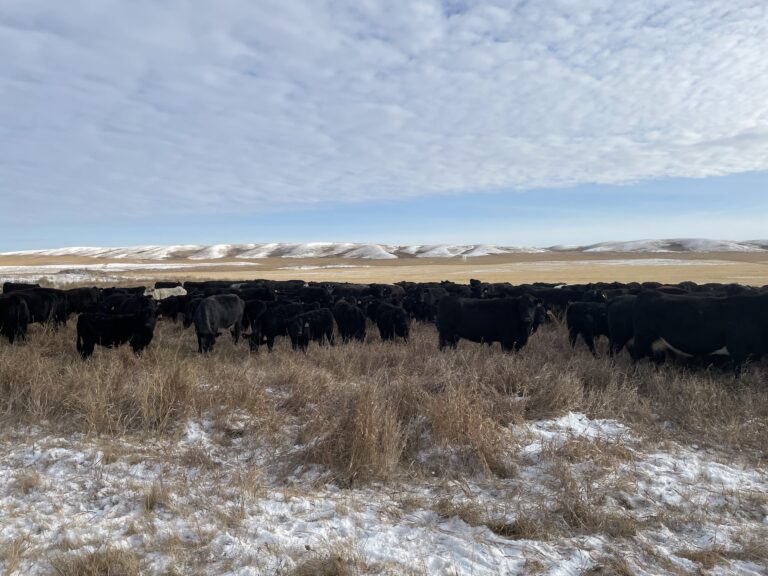
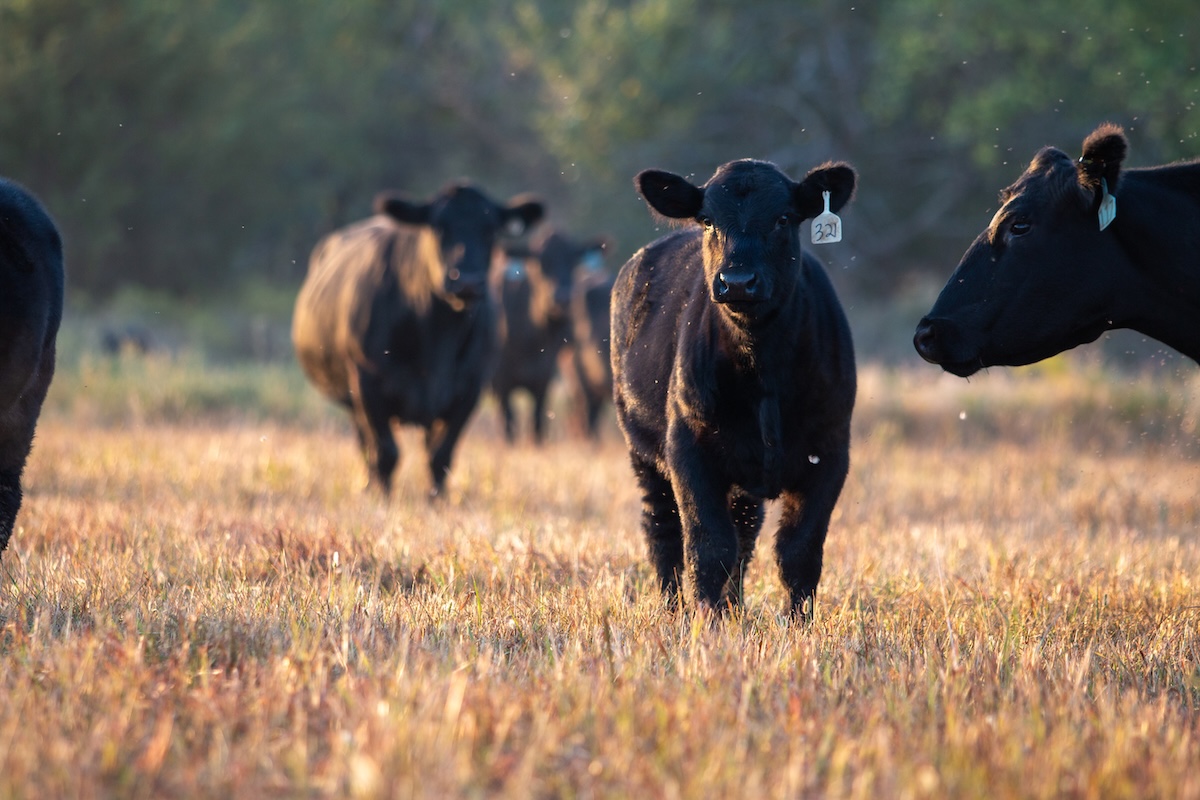
When Chelsey Siemens and her husband, Chris, established Black Diamond Agro 12 years ago, their focus was clear: build a commercial cow-calf herd that could produce consistent, high-quality calves. Operating in west-central Saskatchewan, they now run 300 black Angus-based cows with some Gelbvieh and Shorthorn influence. With a breeding objective centered on producing calves with…
October 15, 2026
Business Tools
Research project aims to stay ahead of roundworm resistance in cattle
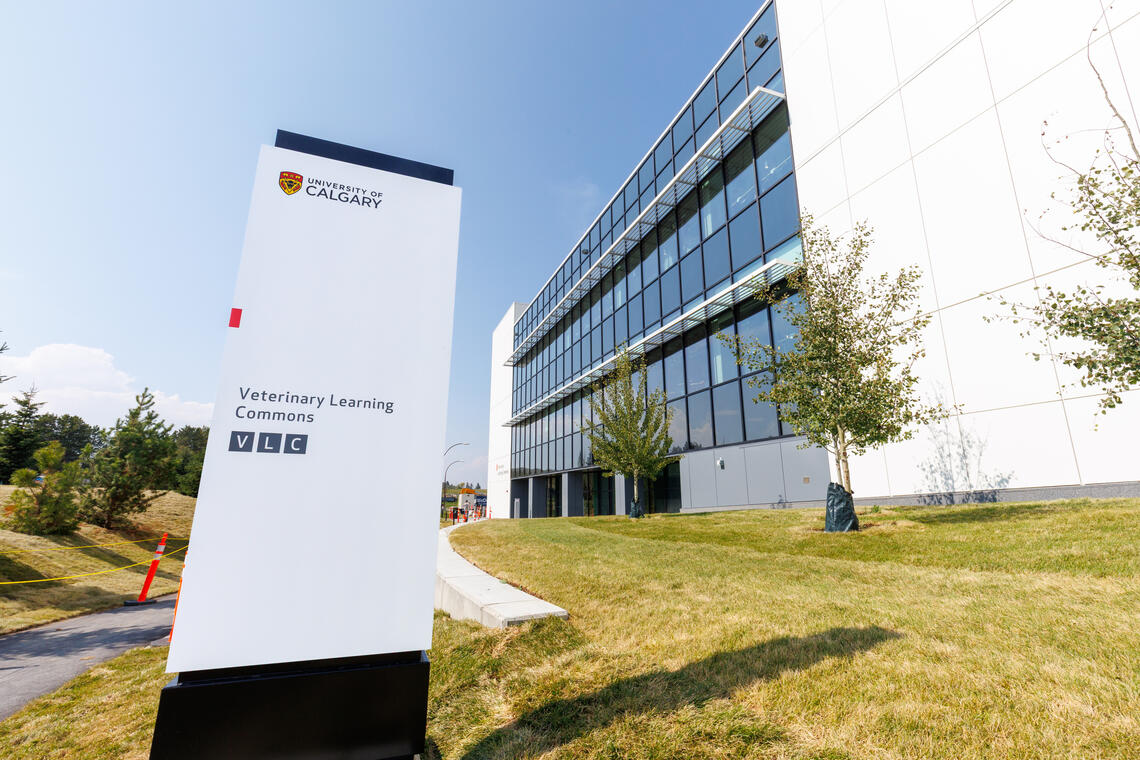
University of Calgary researchers are using genomics and artificial intelligence to search billions of chemical compounds for new ways to control roundworms, also known as nematodes, in cattle. Supported in part by Alberta Beef Producers (ABP), the project brings together researchers from the University of Calgary’s Faculty of Veterinary Medicine and Faculty of Science. The…
September 29, 2026
Business Tools
CCIA launches livestock traceability survey
The Canadian Cattle Identification Agency (CCIA) is inviting producers and industry stakeholders to participate in its Livestock Traceability Survey, which is now open. Earlier this year, CCIA established a CLTS Task Force to better understand the business needs of producers and other stakeholders who use or interact with livestock traceability and information systems. As part…
September 29, 2026
Business Tools
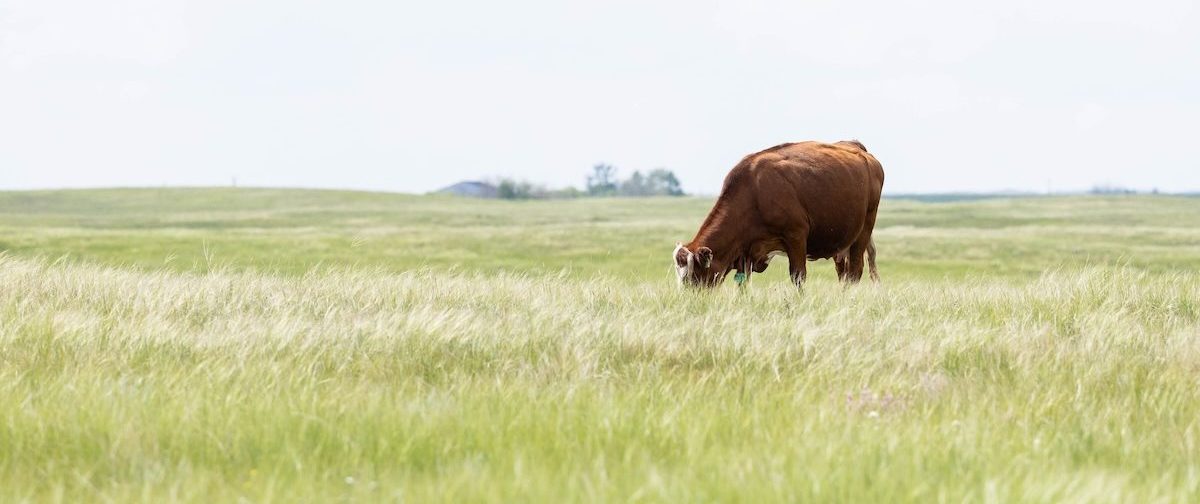
Alberta study tests virtual fencing under ranch conditions
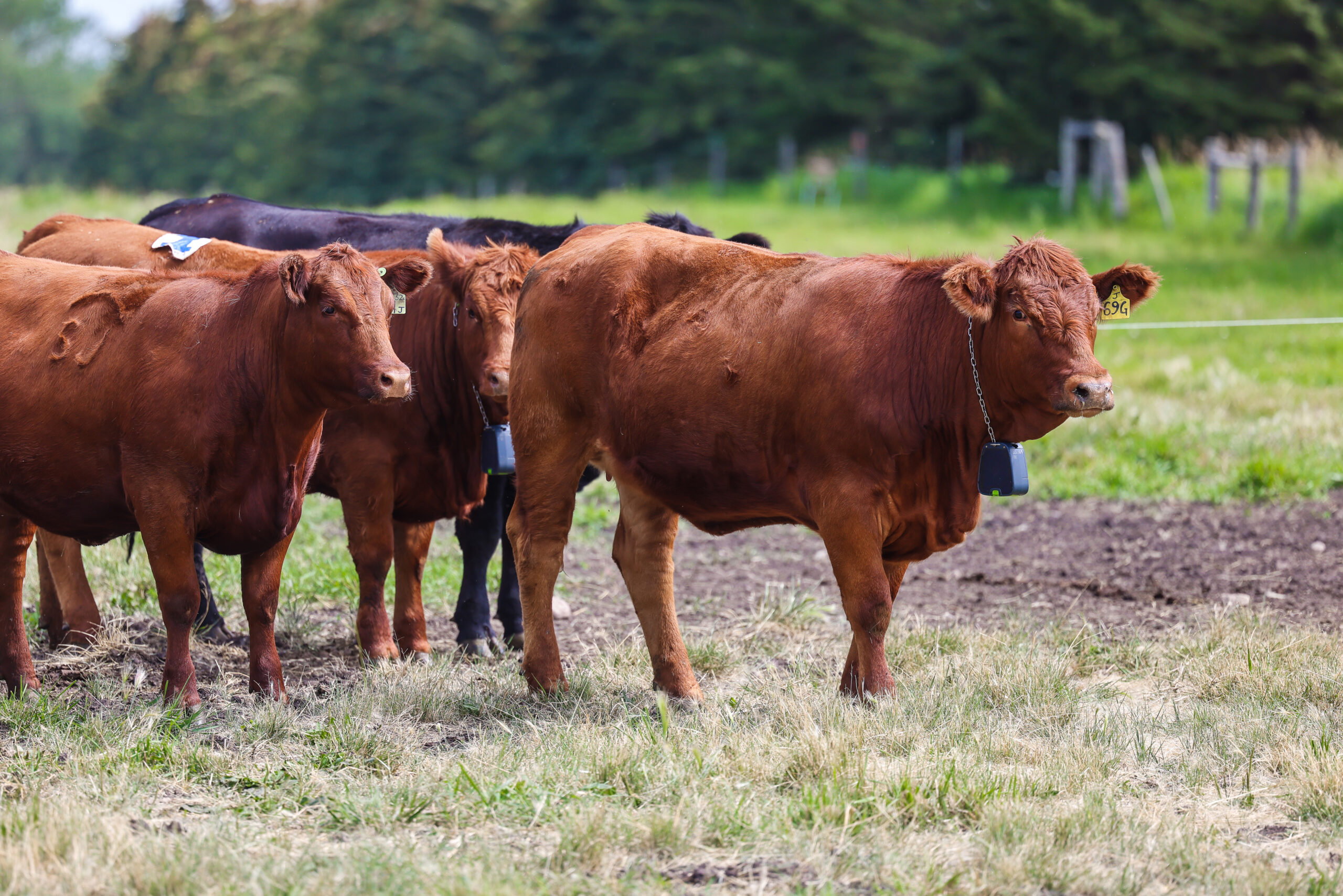
New Alberta research will test how virtual fencing performs with cow–calf pairs and yearlings under working ranch conditions. Results Driven Agriculture Research (RDAR) is supporting trials of Halter’s virtual fencing technology led by the Technology Access Centre for Livestock Production at Olds College of Agriculture & Technology. The research will examine how the collars perform…
September 28, 2026
Business Tools
CLTS birth date flag moves to 12 months on October 1
Producers will have more time to enter or update an animal’s birth date in the Canadian Livestock Tracking System (CLTS) before a flag appears on the record. Effective October 1, 2026, the birth date flag threshold will increase from nine months to 12 months (365 days). The change follows industry feedback and is intended to…
September 26, 2026
Business Tools
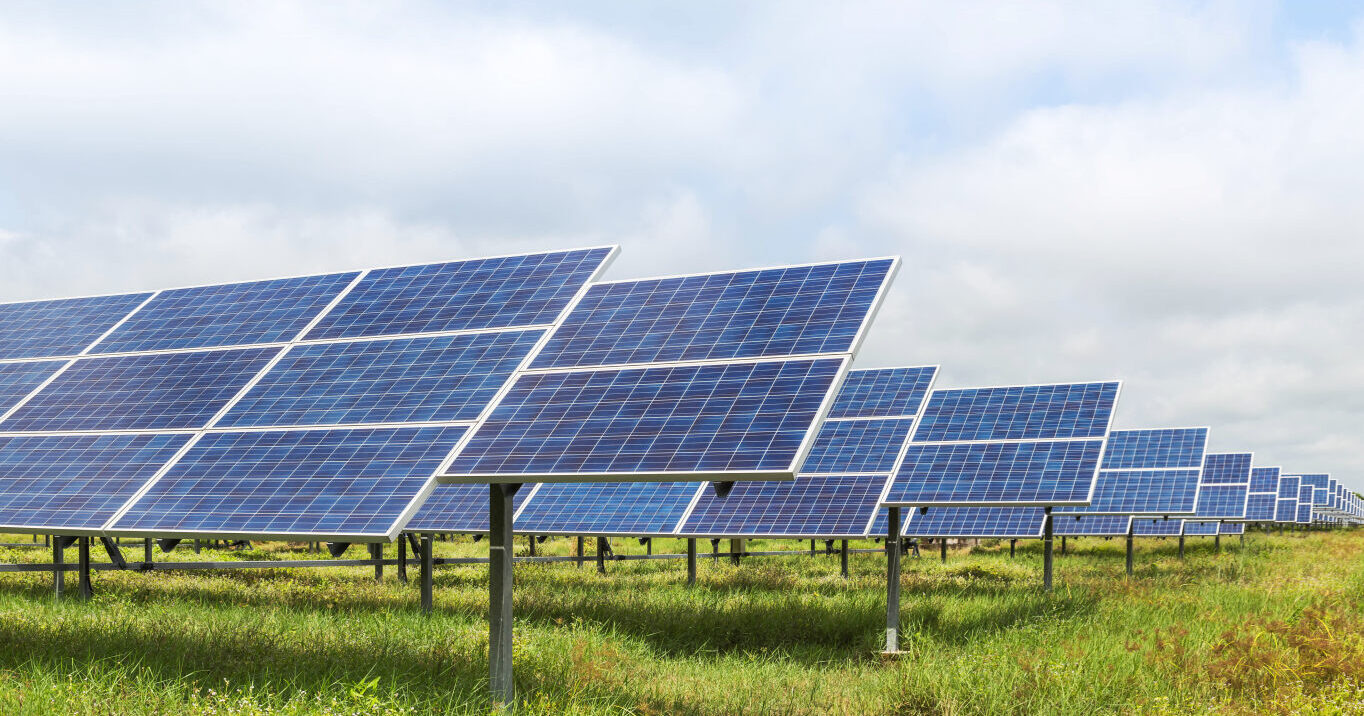
On-Farm Efficiency Program opens to applications
Alberta cattle producers looking to add new tools for herd, feed or water monitoring can now apply for funding through the province’s On-Farm Efficiency Program. Applications opened Sept. 23. The program, delivered through the Sustainable Canadian Agricultural Partnership (Sustainable CAP), supports technology aimed at improving resource use, reducing waste and helping producers monitor day-to-day operations….
September 23, 2026
Business Tools
Reminder: AgriStability late participation deadline Oct. 1
Alberta cattle producers who missed the spring AgriStability enrolment deadline have until Oct. 1, 2026 to apply for late participation. The federal and provincial governments reopened enrolment for the 2026 program year in response to excessive moisture affecting farms and ranches. AgriStability helps producers manage large declines in farm income caused by production losses, increased…
September 22, 2026
Business Tools
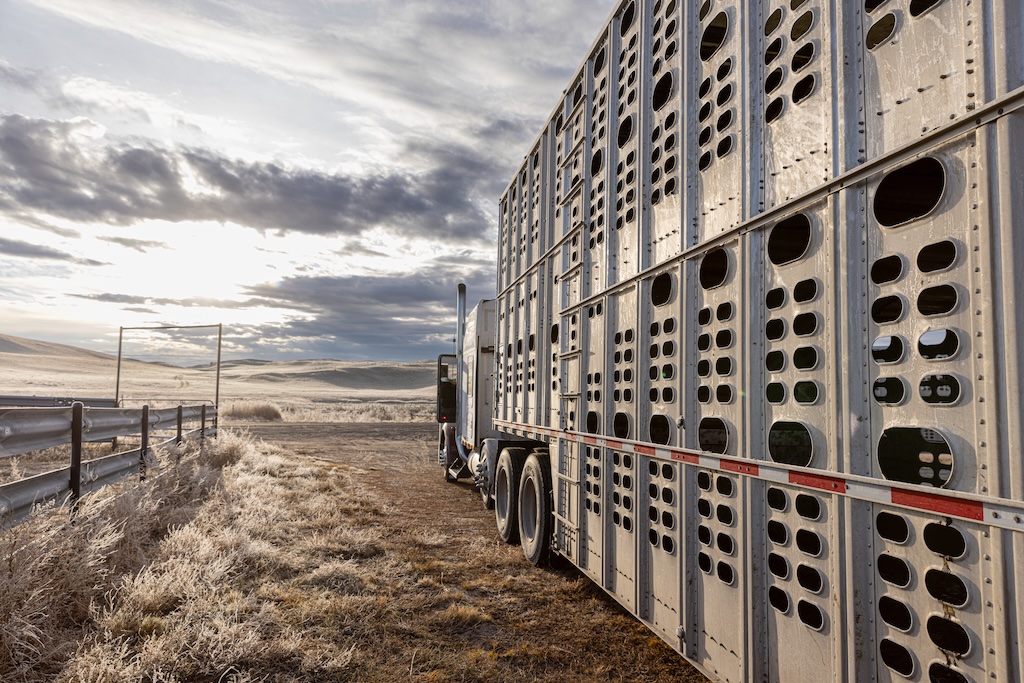
Check-off reminders ahead of fall run
Fall run is one of the busiest times of year for Canadian cattle producers. Before your sell your calf crop, here’s a quick refreshed on how the Canadian Beef Cattle Check-Off applies to your sale. The basics Every time you sell cattle in Canada, a mandatory levy or check-off is deducted which is a combination…
Featured
-
Register for ABP's AGM & Convention
Join us for ABP’s Annual General Meeting and Convention, where cattle producers and industry representatives come together to review the past year’s activities, discuss key issues affecting the industry, and help shape priorities for the year ahead.
Register through Eventbrite -
Your Thoughts and Ideas on Producer Meetings
We are eager to hear your feedback to help us plan, refine, and continually improve. If you attended a Producer Meeting, please take a moment to provide your thoughts and ideas through our quick survey.
Share Your Ideas
Cattle Report
Updated: November 4, 2026
Steers
Live: ---
Rail: ---
Heifers
Live: ---
Rail: ---
Choice Steers
Live: 218.00 (NE)
Rail: 340.00 (NE)
Choice Heifers
Live: 218.00 (NE)
Rail: 340.00 (NE)
Boner Cows
Over 500 lbs: 249.27
Canadian Dollar
$71.80 0.26
Livestock Price Insurance Index
| Expiry | Fed | Feeder | Calf |
|---|---|---|---|
| 25-Jan-27 | 290 | 468 | -- |
| 22-Feb-27 | 290 | 460 | -- |
| 22-Mar-27 | 294 | 460 | -- |
| 19-Apr-27 | 300 | 456 | -- |
| 17-May-27 | 306 | 460 | -- |
| 14-Jun-27 | 310 | 462 | -- |
| 12-Jul-27 | 302 | -- | -- |
Last Updated on October 29, 2026
