Live: ---
Rail: ---

{{ weatherTemp }}°C
{{ weatherCity }}

AB Direct - Steers
AB Direct - Heifers
Live: ---
Rail: ---
Rail: ---
US Trade- Steers
Live: 218.00 (NE)
Rail: 340.00 (NE)
Rail: 340.00 (NE)
US Trade - Heifers
Live: 218.00 (NE)
Rail: 340.00 (NE)
Rail: 340.00 (NE)
Canadian Dollar
$71.80
0.26
0.26


Featured
-
Register for ABP's AGM & Convention
Join us for ABP’s Annual General Meeting and Convention, where cattle producers and industry representatives come together to review the past year’s activities, discuss key issues affecting the industry, and help shape priorities for the year ahead.
Register through Eventbrite -
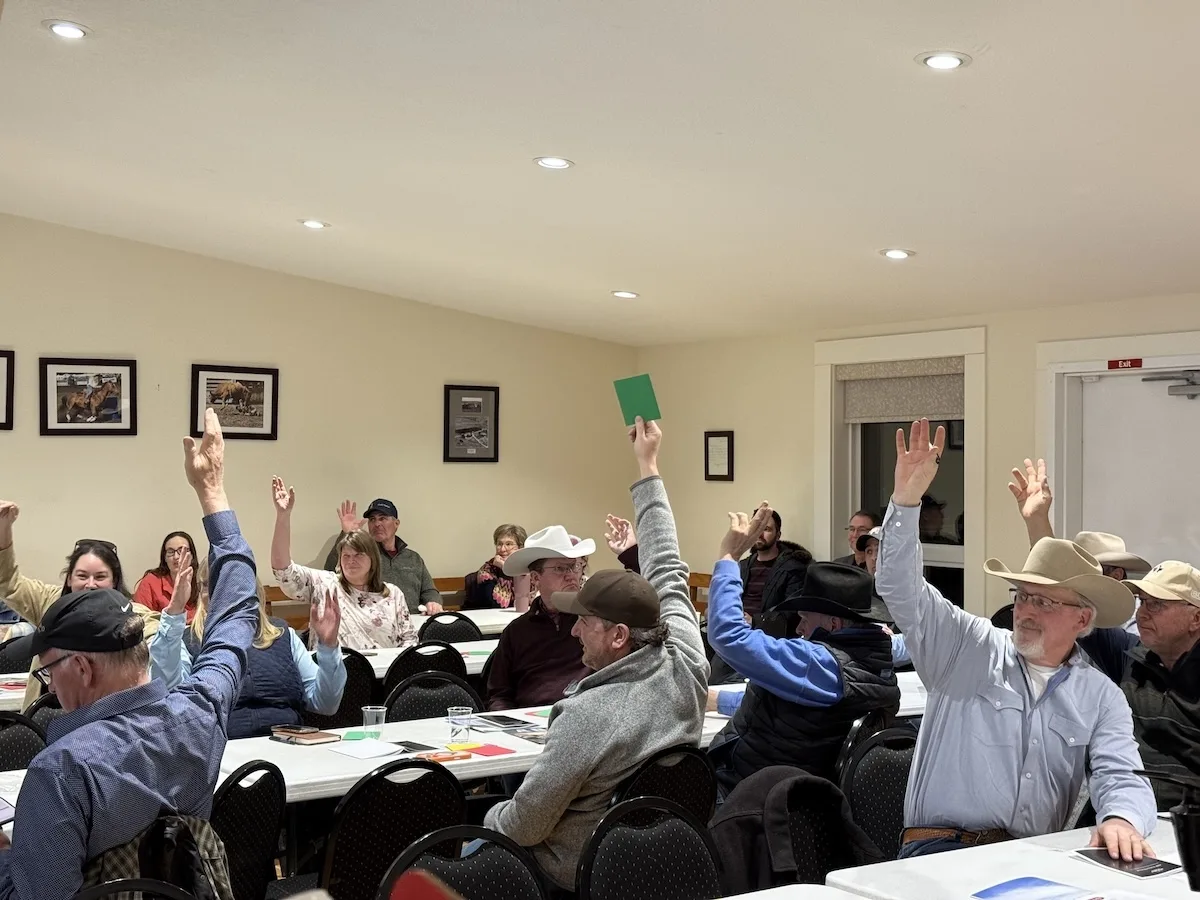
Your Thoughts and Ideas on Producer Meetings
We are eager to hear your feedback to help us plan, refine, and continually improve. If you attended a Producer Meeting, please take a moment to provide your thoughts and ideas through our quick survey.
Share Your Ideas
November 3, 2026
Business Tools
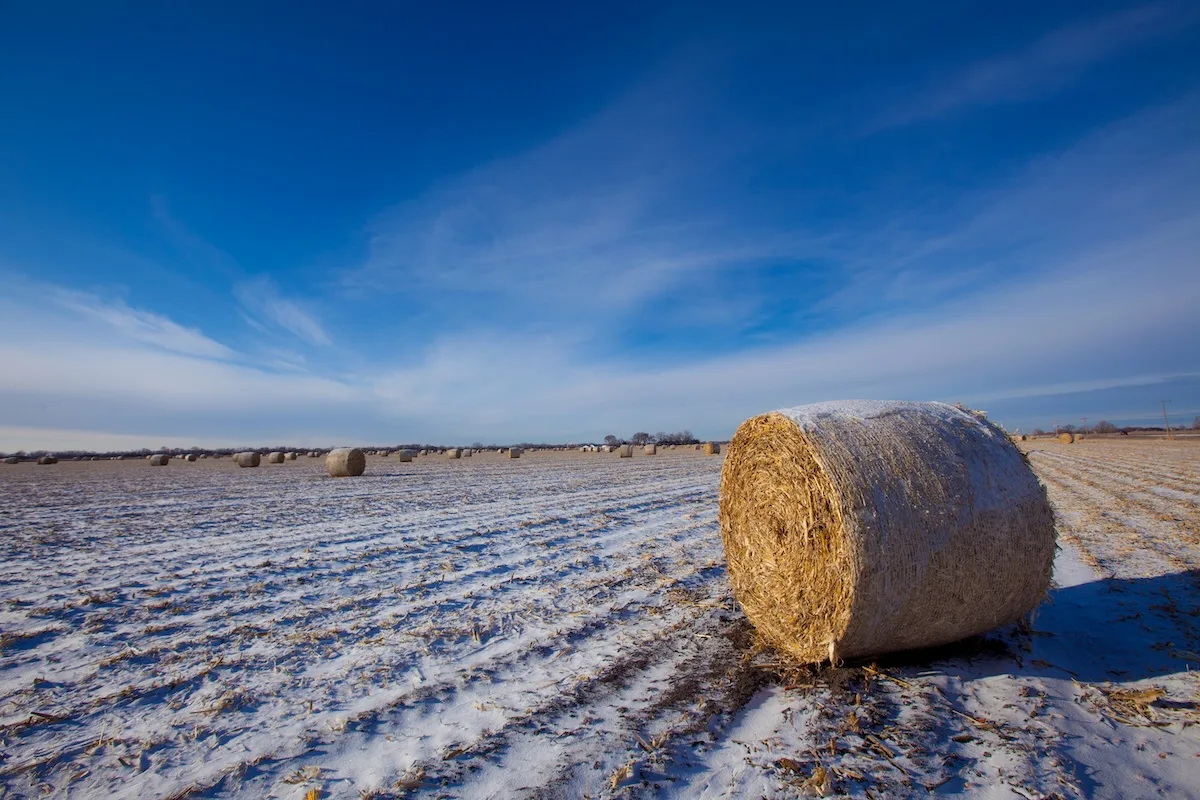
Winter bale grazing can help build next year’s pasture
On the Lazy M Bar Ranch near Byemoor, Brad Mappin isn’t just deciding where to feed cattle this winter. He’s choosing where he wants grass to grow stronger next year. By placing bales on rougher, less productive areas of fields, Mappin turns winter feeding into an opportunity to put nutrients back into the soil. It…
November 2, 2026
Current Markets & Forecasts
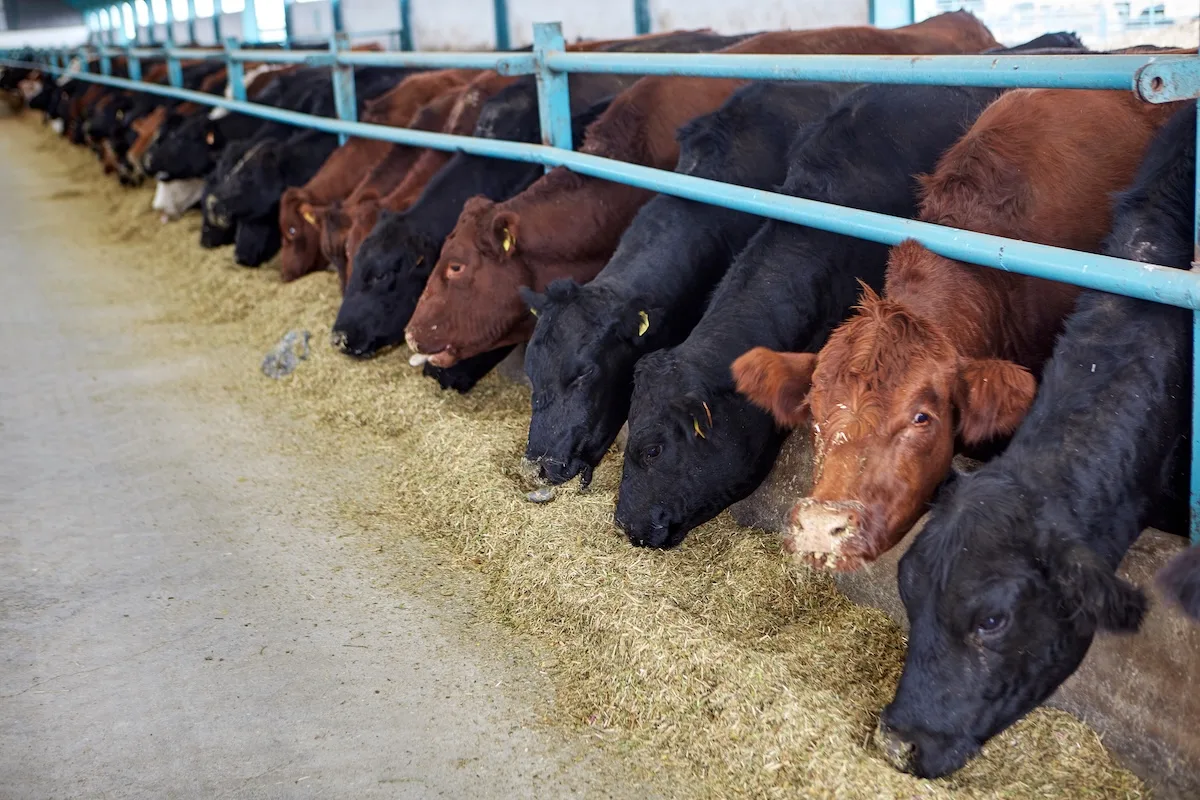
Canfax Weekly Update: Report for the week of November 2, 2026
The Canfax average fed steer and heifer price closed around $296.25/cwt live, steady to a little stronger than the previous week. Leverage continues to favour the packing sector. Last week, dressed sales were reported from $490.75–$497.00/cwt FOB the feedlot. Cattle that traded were scheduled for delivery throughout the month of December. U.S. packer interest was…
October 30, 2026
Checking in with ABP
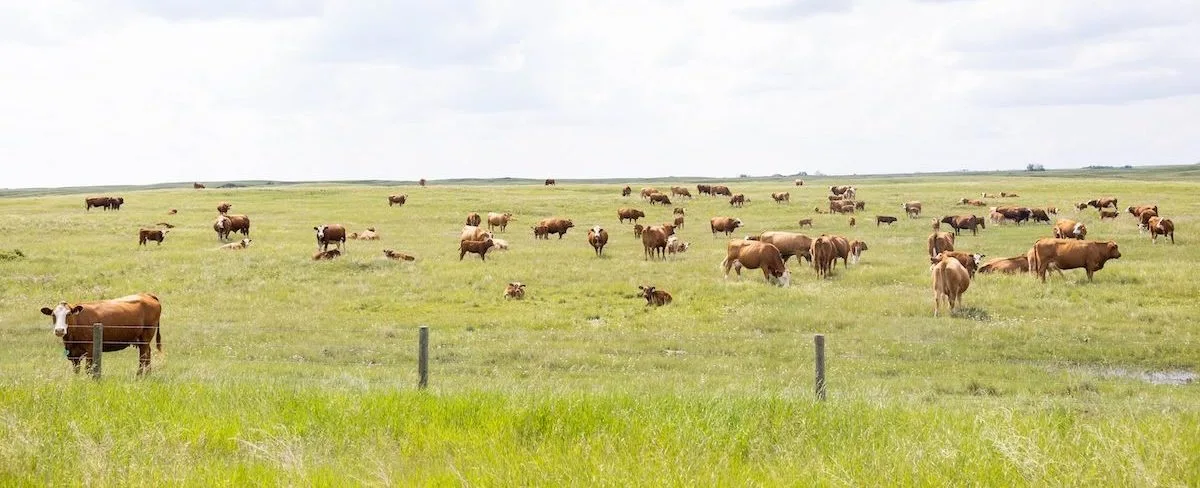
ABP’s 2026 Annual Report available online
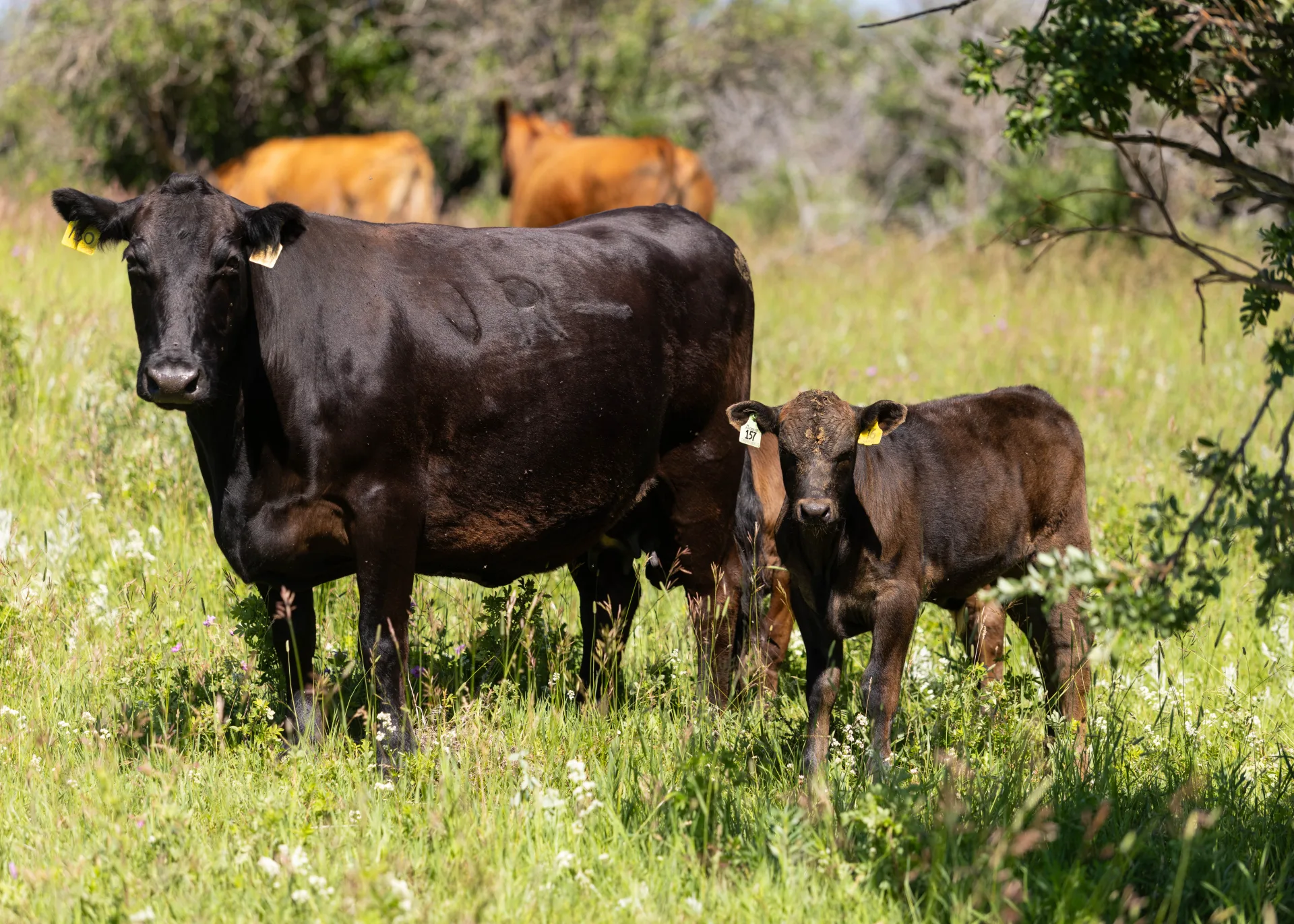
Alberta Beef Producers’ (ABP) 2026 Annual Report, featured at ABP’s Producer Meetings, offers a comprehensive look at the work done on behalf of Alberta’s cattle producers over the past year. The report highlights progress across all areas of ABP’s mandate, from government relations and policy to beef production research and extension, marketing, and stakeholder engagement….
October 30, 2026
Business Tools
Finding the right balance between productivity and profitability
A cow-calf operation can produce more pounds of beef without becoming more profitable. That may seem counterintuitive, but productivity and profitability are not the same thing. Increasing weaning weights, improving reproductive performance or reducing calf losses can all add revenue, but they may also require additional feed, labour, breeding, health or capital investment. The question…
October 29, 2026
Health & Production
Tick-borne risks are changing: What cattle producers should watch for
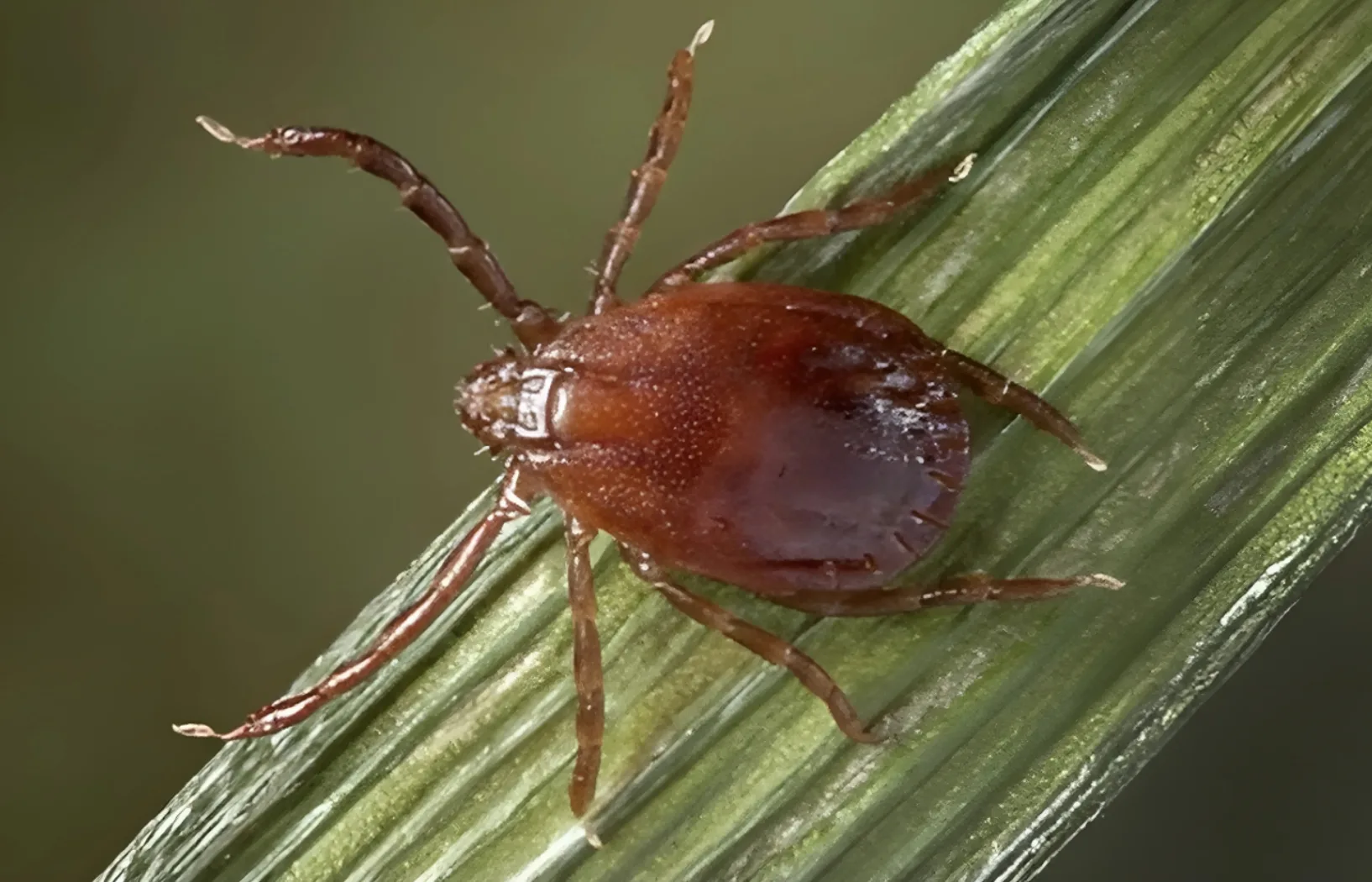
Ticks have long been part of livestock management in Canada, but the risk picture is changing. The Asian longhorned tick has not been found established in Canada. However, Animal Health Canada reported that the parasite most closely associated with it — Theileria orientalis Ikeda — was confirmed in an imported dairy cow in October 2025. It was the first…

October 28, 2026
Business Tools
Alberta launches $60-million challenge for agricultural innovation
New funding aims to bring promising technologies into practical use across Alberta’s agriculture, water and land sectors. Alberta is making up to $60 million available to advance technologies that improve agricultural productivity, conserve water and restore land to productive use. The new Agriculture, Water and Land Challenge, delivered through Emissions Reduction Alberta (ERA), will support…
October 26, 2026
Business Tools
Five things to check on cattle mineral supplement labels
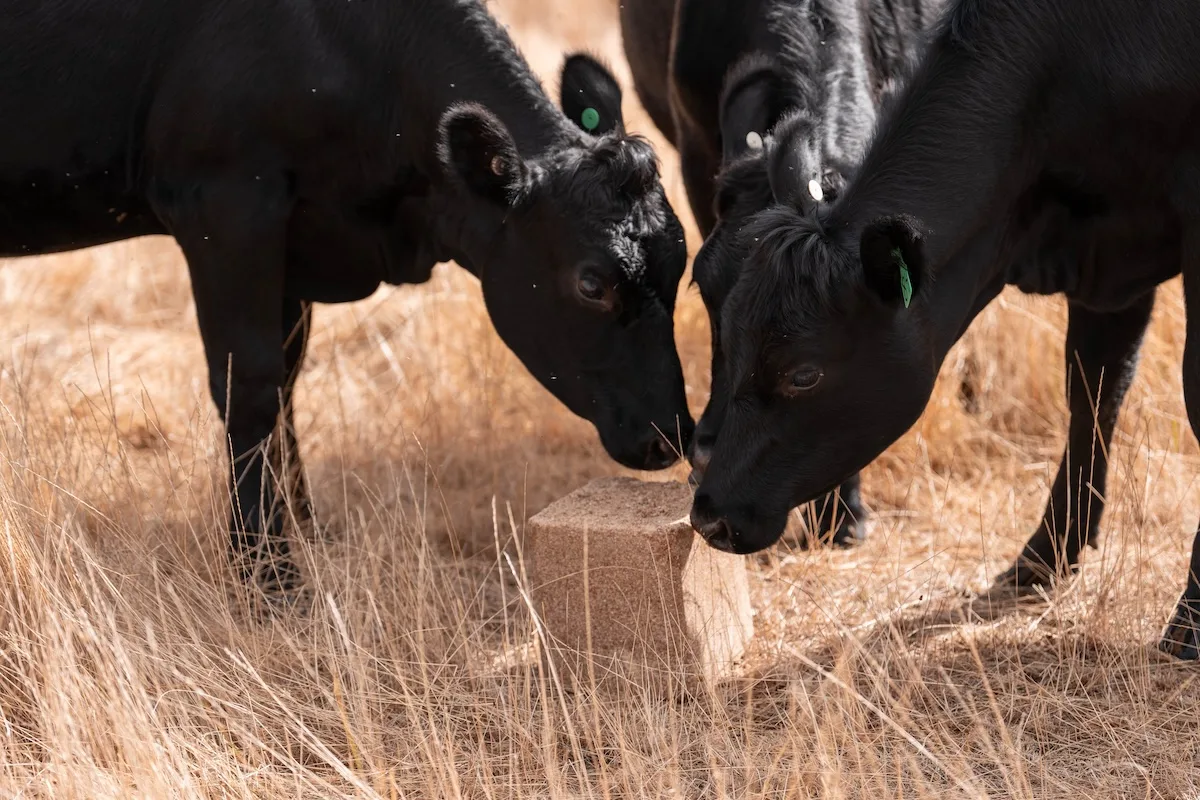
Not all mineral supplements are created equal. Two products may look similar, but differences in nutrient concentrations, recommended feeding rates and ingredients can affect how much nutrition cattle actually receive. A new resource from the Beef Cattle Research Council (BCRC) helps producers make sense of mineral supplement labels and compare products based on their herd’s…
October 26, 2026
Current Markets & Forecasts
Canfax Weekly Article | Report for the week of Oct. 26, 2026
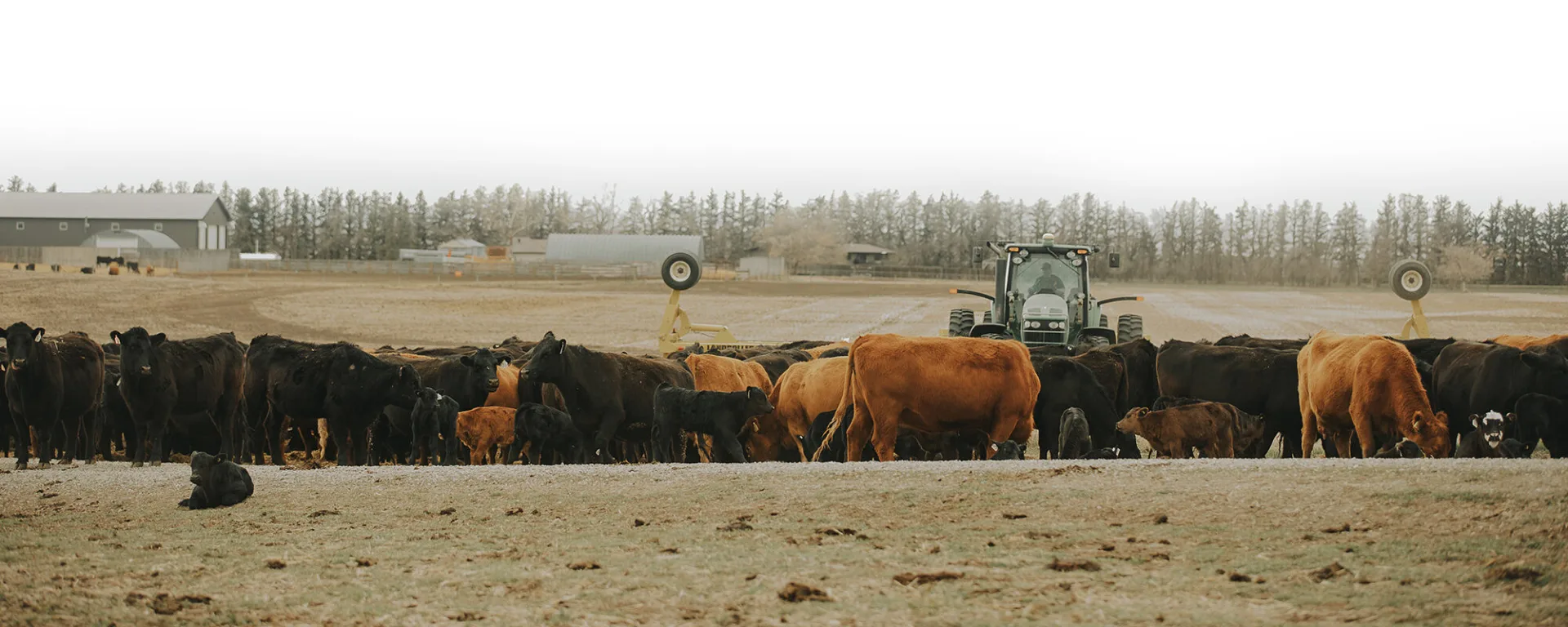
Alberta fed steers and heifers closed the week $1.00/cwt lower than last week. Fed prices have been moving sideways for the last five weeks. Seasonally, Western Canadian fed prices are expected to continue to move sideways through November with a slight pickup in December. Dressed sales were reported from $490.00–$500.00/cwt delivered, steady to $10.00/cwt lower…
October 22, 2026
Health & Production
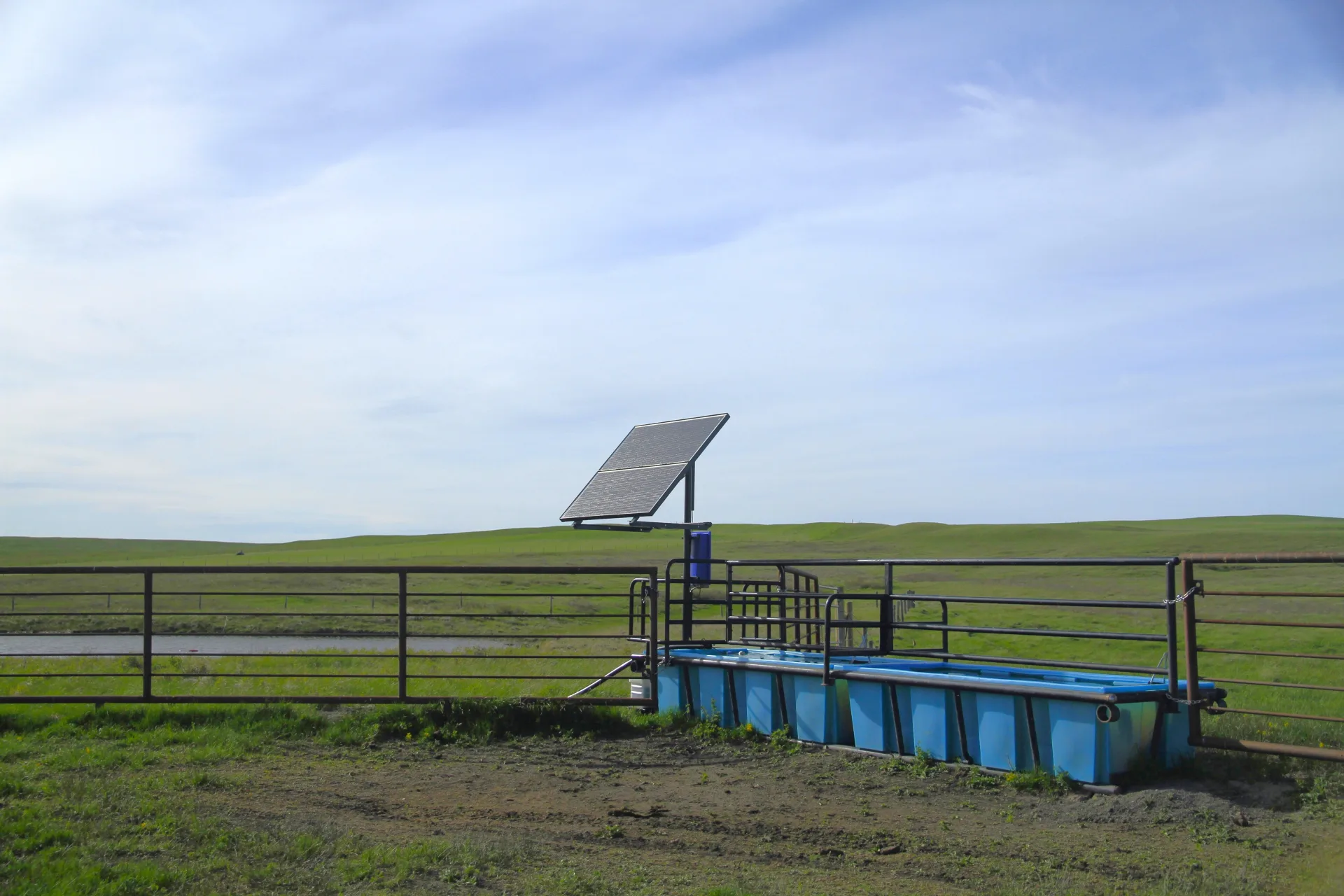
Check dugouts before freeze-up to protect winter water supplies
Before ice settles over farm and ranch dugouts, a fall inspection can help producers protect water quality, check equipment, and prepare for reliable winter livestock watering. Whether a dugout supplies water year-round or serves seasonal pastures, checking its condition now provides an opportunity to address maintenance needs before winter makes access more difficult. Alberta Agriculture’s Quality…
October 20, 2026
Inspiration
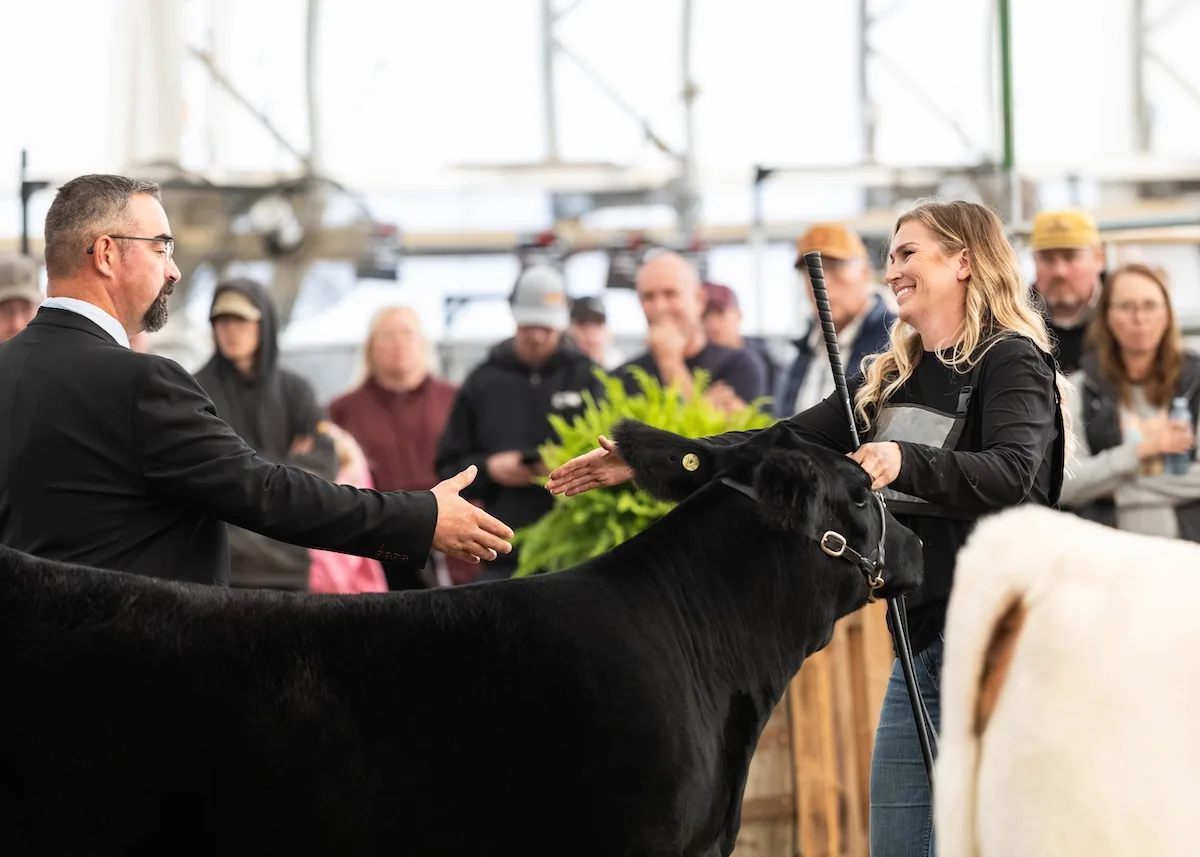
Alberta purebred cattle earn top honours at 2026 Olds Fall Classic
Alberta cattle exhibitors were well represented among the champions at the 2026 Olds Fall Classic, held October 2-4 at the Olds Regional Exhibition Megadome. The annual show brought participants together for three days of breed competitions and the Stars of Tomorrow Jackpot Show, providing an opportunity to showcase breeding stock and recognize the work behind…
October 19, 2026
Current Markets & Forecasts
Canfax Weekly Article | Report for the week of Oct. 19, 2026
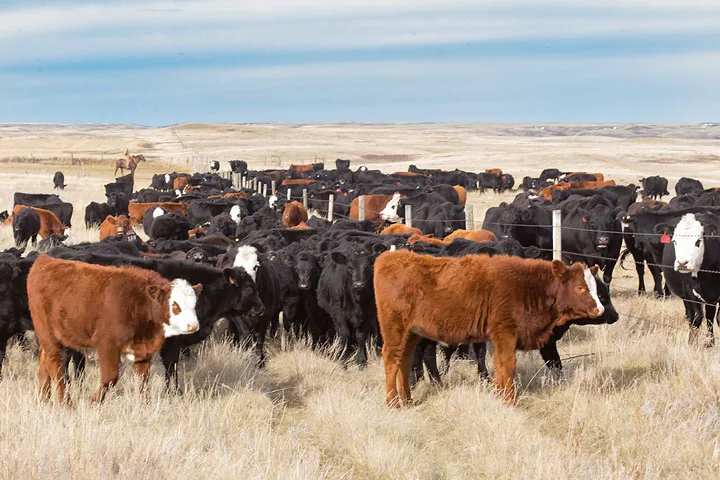
The Canfax average fed steer and heifer price closed around $297/cwt live, mostly steady with the previous week. Fed cattle prices have chopped sideways for the past month. Buying interest was noted from all Western Canadian packers but competition on the cash market was limited. Last week, dressed sales were reported from $495.00–$497.50/cwt FOB the…
October 17, 2026
Business Tools
Building a uniform cow herd through intentional genetic selection
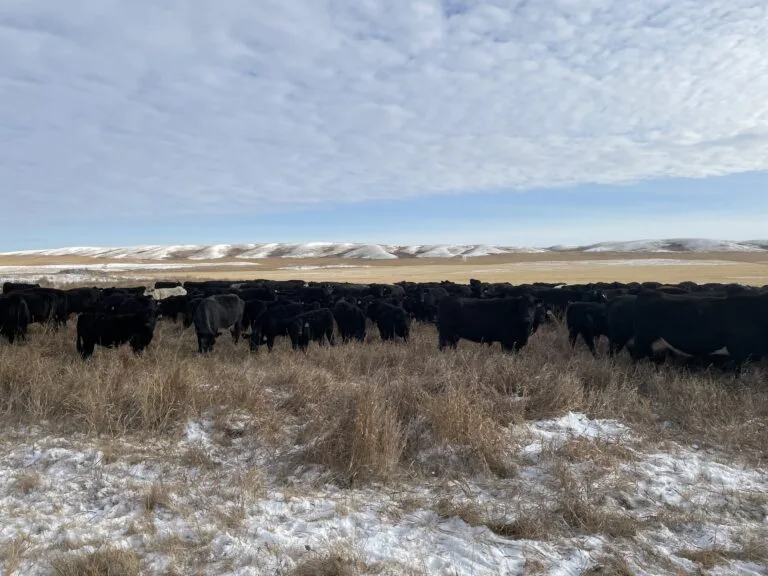
When Chelsey Siemens and her husband, Chris, established Black Diamond Agro 12 years ago, their focus was clear: build a commercial cow-calf herd that could produce consistent, high-quality calves. Operating in west-central Saskatchewan, they now run 300 black Angus-based cows with some Gelbvieh and Shorthorn influence. With a breeding objective centered on producing calves with…
Featured
-
Register for ABP's AGM & Convention
Join us for ABP’s Annual General Meeting and Convention, where cattle producers and industry representatives come together to review the past year’s activities, discuss key issues affecting the industry, and help shape priorities for the year ahead.
Register through Eventbrite -
Your Thoughts and Ideas on Producer Meetings
We are eager to hear your feedback to help us plan, refine, and continually improve. If you attended a Producer Meeting, please take a moment to provide your thoughts and ideas through our quick survey.
Share Your Ideas
Cattle Report
Updated: November 4, 2026
Steers
Live: ---
Rail: ---
Heifers
Live: ---
Rail: ---
Choice Steers
Live: 218.00 (NE)
Rail: 340.00 (NE)
Choice Heifers
Live: 218.00 (NE)
Rail: 340.00 (NE)
Boner Cows
Over 500 lbs: 249.27
Canadian Dollar
$71.80 0.26
Livestock Price Insurance Index
| Expiry | Fed | Feeder | Calf |
|---|---|---|---|
| 25-Jan-27 | 290 | 468 | -- |
| 22-Feb-27 | 290 | 460 | -- |
| 22-Mar-27 | 294 | 460 | -- |
| 19-Apr-27 | 300 | 456 | -- |
| 17-May-27 | 306 | 460 | -- |
| 14-Jun-27 | 310 | 462 | -- |
| 12-Jul-27 | 302 | -- | -- |
Last Updated on October 29, 2026
